When Is the Best Time to Drink Matcha? (And How to Actually Feel Its Benefits)
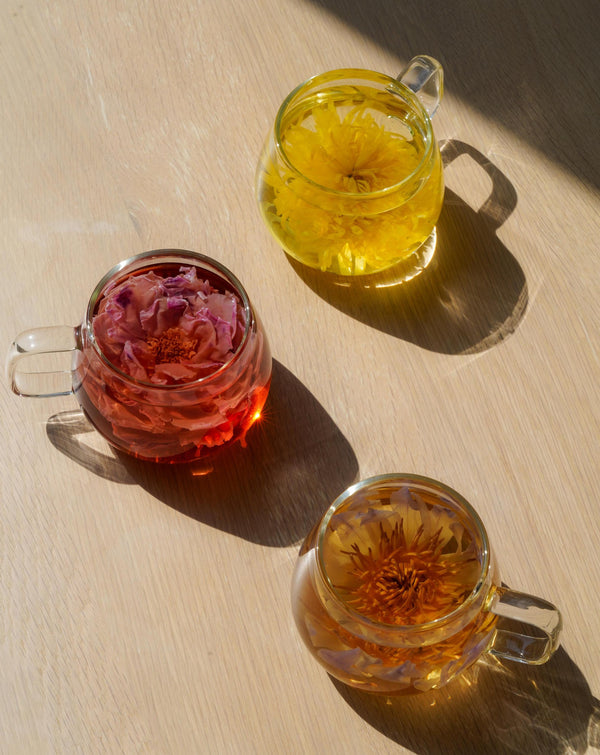
This isn’t our first Matcha rodeo. Here is an old photo of our Rose Matcha from 4 years ago. If you’ve been with us for a while, you might remember we launched a Rose Matcha over 4 years ago.
Matcha, as a powdered tea, has been around for over 1,000 years.
It originated in China during the Tang and Song dynasties (around the 8th–13th century), and was later brought to Japan by Zen monks in the 12th century, where it evolved into the matcha tradition we recognize today.
Since our 1st Matcha launch, I’ve spent some time going deeper, learning more about this hot new trend in the West. In May 2025, I took a trip to Uji, Japan, the home to what's known to be the best matcha region in the world. I visited multiple family-run matcha farms, tasted over 50 different matchas across cultivars and grades, and learning traditional preparation in Kyoto.
(Me visiting Uji matcha farm in Japan).
I stayed at a traditional Japanese Inn run by the below lovely elder lady, who also served us tea, sencha, hojicha, and Matcha. At the Inn, the dinner was Kaiseki (a traditional Japanese multi-course cuisine that emphasizes seasonal ingredients, artistic presentation, and meticulous preparation, often served as part of a formal tea ceremony (cha-kaiseki). I LOVED all of it. I was so inspired by how the Japanese people can easily turn everything into beautiful daily rituals. Being so present. I was in love.

And here’s what I learned about Matcha from the local Japanese folks:
Matcha is not meant to be consumed the way most people in the U.S. are drinking it today.
(me attending and learning from a Matcha class in Kyoto).
Many Japanese people still think of and drink Matcha as a ritual, while younger generations enjoy matcha lattes and iced matcha. I wanted to share some dos and don'ts below as you embark on your own matcha journey so that you get the most out of this incredible super food bev Matcha/green tea powder.
Take what serves you and leave behind what does not.
So… When Is the Best Time to Drink Matcha?
Best time: mid-morning to early afternoon (around 9am–3pm)
This is when your body:
-
Has stronger digestive energy
-
Can better process caffeine
-
Is naturally primed for focus and productivity
Second best time: early afternoon (your “3PM reset”)
→ Instead of another coffee, matcha gives you calm, sustained energy without the crash
Avoid:
-
First thing in the morning on an empty stomach
-
Late afternoon or evening (can disrupt sleep)
I personally only really love a small cup of matcha in the morning straight, without milk or sweetener after breakfast.
Why Matcha Sometimes Makes You Feel… Off
If you’ve ever thought:
-
“Why do I feel jittery?”
-
“Why does my stomach feel weird?”
-
“Why don’t I feel calm at all?”
You’re not wrong.
Most people are drinking matcha like coffee.
And that might not serve you.
The Don’ts of Matcha
1. Don’t Drink Matcha on an Empty Stomach
From a TCM perspective, matcha is cooling and slightly bitter.
On an empty stomach, it can:
-
Weaken digestion (Spleen/Stomach Qi)
-
Cause jitters or nausea
-
Leave you feeling ungrounded
If matcha ever made you anxious—this is likely why.
2. Don’t Overdrink Matcha
More is not better.
Too much matcha can:
-
Leave you feeling wired but tired
-
Disrupt your energy balance
-
Weaken digestion over time
Simple guideline:
-
1 cup per day → ideal
-
2 max → if you tolerate caffeine well
3. Don’t Start Your Day with Iced Matcha
Cold + bitter first thing in the morning can:
-
Slow digestion
-
Create bloating or discomfort
-
Reduce how well your body absorbs nutrients
4. Don’t Rush It
Matcha isn’t just caffeine—it’s a ritual.
When you rush it, you lose:
-
The grounding effect
-
The clarity
-
The emotional reset
The Do’s of Matcha
1. Do Drink Matcha After Food
Pairing matcha with food (or as a latte) helps:
-
Stabilize energy
-
Protect digestion
-
Create a more grounded feeling

2. Do Start Warm
Warm matcha:
-
Supports digestion
-
Feels more nourishing
-
Aligns with your body’s natural rhythm

3. Do Use Matcha as a 3PM Reset
This is where matcha shines.
Instead of a second coffee:
→ matcha gives you clarity without overstimulation
4. Do Balance Matcha with Nourishing Ingredients
This is where everything changes.
Pair matcha with:
-
Milk (oat, almond, whole) → grounding
-
Honey or jujube → gentle nourishment
-
Rose or goji → beauty + emotional balance
Now it’s not just energy—it’s harmony.
Matcha Latte (Qi Ritual Style)
Ingredients
-
1–2 tsp The Qi ceremonial-grade matcha
-
2 oz hot water (~175°F / 80°C)
-
6–8 oz warm milk (your choice of oat, soy, almond or whole)
-
Optional: maple syrup, rose
Steps
-
Sift matcha into a bowl or cup
-
Add hot water and whisk in a zig-zag motion until smooth and lightly frothy.
-
Warm your milk gently (not boiling)
-
Pour milk over matcha slowly
-
Add maple syrup for sweetness and top off with a rosebud as a garnish.
Before your first sip, pause and appreciate this cup of matcha as many people have poured a lot of love and care into growing, harvesting, and deliver it to you.
- Lisa